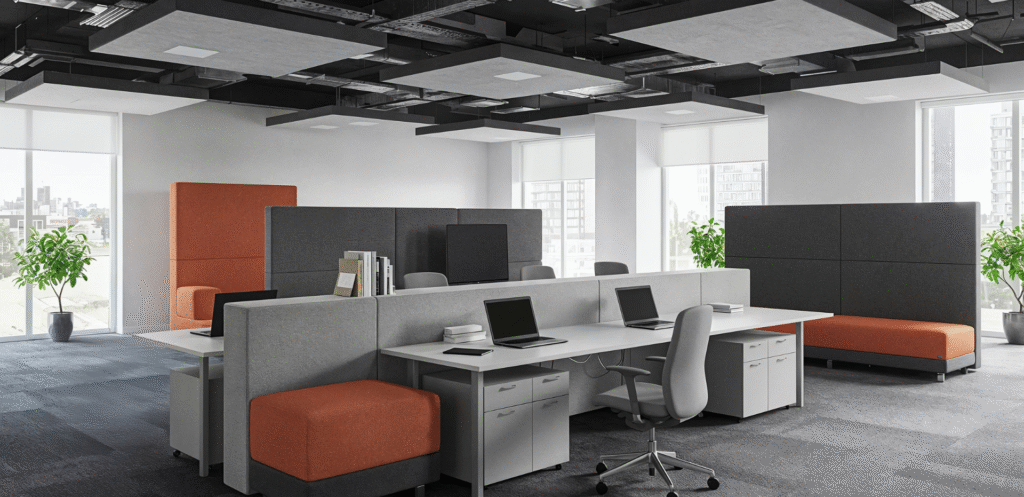
The corporate landscape has undergone a fundamental transformation, shifting away from rigid, traditional office structures toward more adaptable operational models. At the center of this evolution is the concept of flexible office space for hybrid work.
As organizations move away from mandating continuous, five-day in-office attendance, the physical requirements of the workplace have fundamentally changed. Modern businesses now require environments that support collaboration, deep work, and dynamic team schedules without the financial burden of maintaining underutilized square footage.
Transitioning to a hybrid model requires more than simply allowing employees to work from home on alternate days. It necessitates a strategic realignment of real estate portfolios, technological infrastructure, and company culture.
For companies expanding or relocating, this often means actively seeking versatile environments in rapidly growing business hubs. The search for optimized real estate has led many enterprises to explore commercial centers in the National Capital Region (NCR), with a specific focus on finding the right Noida office space for rent.
This comprehensive guide explores the principles of flexible workspaces, the structural advantages of hybrid work environments, and the strategic importance of choosing premier locations such as office space in Sector 136 Noida. Furthermore, it highlights how specialized workspace providers, like Let’s Connect India, are facilitating this transition for businesses of all sizes.
The Evolution of the Modern Workplace
The traditional office was built on the premise of fixed desks, rigid schedules, and a one-size-fits-all approach to spatial design. Every employee was assigned a dedicated cubicle or private office, regardless of whether their daily tasks required deep concentration or intensive team collaboration.
The shift toward flexible office space for hybrid work challenges this conventional wisdom. Rather than assigning space based on headcount alone, modern workspace design allocates resources based on activity and utilization.
In a hybrid framework, employees utilize the physical office primarily for collaborative projects, client meetings, mentorship, and team building, while reserving individual, focused tasks for remote days.
This evolution demands agility from commercial real estate. Static layouts are being replaced by dynamic environments that can be reconfigured as team sizes and project requirements fluctuate. The modern workplace is no longer just a facility where work occurs; it is an active tool used by management to drive innovation, foster company culture, and optimize operational efficiency.
Key Takeaways:
- Traditional office designs focused on fixed headcounts and static desk assignments, which are inefficient for modern work habits.
- Hybrid models shift the primary purpose of the physical office toward collaboration, mentorship, and team alignment.
- Flexible workspaces prioritize agility, allowing companies to align their real estate footprint with actual daily utilization.
What Defines Flexible Office Space for Hybrid Work?
To successfully support a hybrid workforce, an office environment must incorporate specific structural and functional elements. Flexible office space for hybrid work is defined by its modularity, variety, and technological integration.
First, these spaces prioritize “activity-based working” (ABW). Instead of remaining at a single desk all day, employees move between different zones designed for specific tasks. A well-designed flexible office will feature open collaborative areas with whiteboards and casual seating for brainstorming sessions. Conversely, it will also offer soundproof pods or quiet zones for individuals who need to focus without interruption.
Second, agile seating arrangements, such as hot desking or hoteling, are central to the flexible model. Employees can reserve a workspace for the day or simply choose an available desk upon arrival. This reduces the overall number of desks required, optimizing the floor plan.
Finally, modularity is a critical component. Movable partitions, mobile furniture, and adaptable lighting allow organizations to restructure the space for a town hall meeting in the morning and convert it back into individual workstations by the afternoon. This versatility ensures that the physical environment continually serves the immediate needs of the organization.
Key Takeaways:
- Flexible environments utilize activity-based working, providing specific zones for collaboration, meetings, and deep focus.
- Agile seating strategies, including hot desking and desk hoteling, maximize space utilization and reduce required square footage.
- Modularity through adaptable furniture and partitions allows a single room to serve multiple functional purposes throughout the workweek.
Strategic Advantages for Businesses
Adopting flexible office space for hybrid work provides organizations with significant operational and strategic advantages, ranging from financial optimization to improved employee retention.
From a financial perspective, transitioning to a flexible model fundamentally alters how real estate costs are managed. Traditional, long-term commercial leases often lock companies into paying for space they do not fully utilize, particularly when a portion of the workforce operates remotely on any given day.
Flexible workspaces allow companies to scale their real estate commitments up or down based on current requirements, mitigating the financial risk associated with long-term capital expenditures and facility maintenance. Beyond cost management, flexible spaces serve as a powerful tool for talent acquisition and retention.
Modern professionals place a high premium on autonomy and workplace environment quality. An office that offers premium amenities, ergonomic design, and the freedom to choose how and where to work can significantly enhance an employer’s value proposition.
Furthermore, shared flexible spaces often foster a broader sense of community. By working in environments alongside other businesses, startups, and enterprise teams, employees are exposed to networking opportunities, cross-industry knowledge sharing, and a vibrant professional ecosystem that is difficult to replicate in an isolated corporate headquarters.
Key Takeaways:
- Flexible leasing models optimize capital expenditure by eliminating the costs associated with maintaining unused office space.
- Providing an adaptable, high-quality work environment strengthens talent acquisition and improves employee retention.
- Shared flexible environments create organic networking opportunities and foster a dynamic corporate culture.
Designing the Ideal Hybrid Workspace Experience
Creating an effective flexible office space requires intentional design and robust infrastructure. Without the right technological and ergonomic foundation, a hybrid office can quickly become chaotic and counterproductive.
Technology is the backbone of the hybrid experience. High-speed, enterprise-grade internet is a baseline necessity, but true flexibility requires seamless audiovisual integration. Meeting rooms must be equipped with advanced video conferencing tools that bridge the gap between in-office and remote participants, ensuring parity in communication. Additionally, companies often implement desk-booking software and utilization sensors to manage daily attendance and understand how the space is being used.
Ergonomics and employee well-being are equally critical. Illustratively, for example, a mid-size enterprise transitioning to a flexible model might invest in height-adjustable desks, ergonomic seating, and enhanced natural lighting to ensure that employees remain comfortable and productive, regardless of which workstation they choose on a given day.
Air quality, acoustic management, and biophilic design (integrating natural elements like plants and natural light) are also essential components of the modern workspace. These elements collectively reduce workplace fatigue, support mental health, and make the office a destination that employees actively want to visit.
Key Takeaways:
- Seamless technology integration, including advanced AV setups and desk-booking software, is essential for bridging remote and in-office teams.
- Prioritizing ergonomics through adjustable furniture and proper lighting ensures employee comfort in an agile seating environment.
- Well-being initiatives, such as acoustic management and biophilic design, enhance the overall appeal and health of the workspace.
Choosing the Right Location: The Rise of Noida
The success of a flexible workspace strategy relies heavily on geographic location. Decision-makers evaluating Noida office space for rent will find that the region has rapidly developed into one of India’s most prominent corporate and technological hubs.
Noida’s appeal stems from a combination of planned infrastructure, seamless connectivity, and a thriving business ecosystem. Unlike older, more congested commercial districts, Noida was developed with wide arterial roads, modern civic amenities, and expansive commercial sectors designed specifically to accommodate enterprise-scale operations.
Connectivity is a primary driver of Noida’s commercial success. The city is integrated into the broader Delhi NCR region via an extensive metro rail network, multiple expressways, and well-maintained public transit corridors. This connectivity ensures that employees commuting from various parts of the NCR can reach the office efficiently, a crucial factor in encouraging in-office attendance in a hybrid model.
When searching for Noida office space for rent, organizations can choose from a diverse portfolio of commercial real estate. The market offers everything from bare-shell structures ready for custom fit-outs to fully managed, premium flexible workspaces. This diversity allows companies to find environments that perfectly align with their operational needs and brand identity.
Key Takeaways:
- Noida has emerged as a premier corporate hub due to its meticulously planned infrastructure and modern commercial developments.
- Robust connectivity via expressways and the metro network makes the city highly accessible for a distributed, hybrid workforce.
- The commercial real estate market in Noida offers a wide variety of options, from traditional leases to premium flexible workspaces.
Spotlight on Sector 136 Noida
Within the broader Noida landscape, certain micro-markets have distinguished themselves as elite business destinations. Finding office space in Sector 136 Noida is particularly advantageous for forward-thinking organizations.
Sector 136 is strategically positioned along the Noida-Greater Noida Expressway, providing unparalleled access to major transit routes. This specific corridor has witnessed a surge in high-quality commercial development, attracting a mix of multinational corporations, IT enterprises, and innovative startups.
The appeal of office space in Sector 136 Noida lies in its holistic business environment. The sector is characterized by modern, Grade-A commercial buildings that are designed with contemporary business requirements in mind. These buildings typically feature advanced security systems, ample parking facilities, and energy-efficient infrastructure.
Moreover, the area surrounding Sector 136 is continuously evolving, with the addition of retail outlets, dining establishments, and recreational facilities. This integrated ecosystem ensures that employees have access to lifestyle amenities within close proximity to the workplace, further enhancing the appeal of coming into the office. For companies implementing a flexible office space for hybrid work, establishing a presence in a vibrant, accessible sector like 136 is a strategic asset.
Key Takeaways:
- Sector 136 is a highly sought-after commercial micro-market located strategically along the Noida-Greater Noida Expressway.
- The sector features premium, Grade-A commercial real estate equipped with modern amenities and advanced infrastructure.
- The surrounding ecosystem provides diverse retail and dining options, enriching the daily work experience for employees.
Partnering with Premium Workspace Providers: Let’s Connect India
Transitioning to a hybrid workspace model can be operationally complex if managed entirely in-house. To streamline this process, many organizations are partnering with specialized workspace providers. Within the NCR, Let’s Connect India has positioned itself as a key facilitator of flexible office space for hybrid work.
Let’s Connect India focuses on providing fully managed, adaptable work environments that alleviate the administrative burden on businesses. By offering a comprehensive suite of workspace solutions—ranging from dedicated private cabins for core teams to open coworking desks for agile workers—the brand allows companies to scale their physical footprint in real-time.
Beyond simply providing desks and internet access, Let’s Connect India emphasizes the creation of a holistic workplace experience. Their spaces are designed to foster productivity and community, incorporating modern design aesthetics, fully equipped meeting rooms, and professional support staff. This managed approach ensures that the facility operates smoothly, allowing business leaders to focus entirely on their core commercial objectives rather than office management.
Furthermore, environments curated by Let’s Connect India encourage professional networking. By housing diverse businesses under one roof, they create an atmosphere of collaboration and innovation, making the physical office a valuable resource for business growth and employee engagement.
Key Takeaways:
- Let’s Connect India provides managed workspace solutions that simplify the transition to a hybrid work model.
- The brand offers adaptable spaces, including private cabins and coworking areas, allowing businesses to scale operations effortlessly.
- By managing facilities and fostering a collaborative community, Let’s Connect India enables organizations to focus strictly on core business operations.
Implementing the Transition to a Flexible Office
Moving an organization from a traditional lease to a flexible office space for hybrid work requires careful planning and change management. Success depends on clear communication and a deep understanding of team dynamics.
The first step in implementation is conducting a thorough operational assessment. Leadership must evaluate which roles require frequent in-office collaboration and which can be performed effectively remotely. This analysis helps determine the optimal ratio of dedicated desks to hot desks, as well as the number of meeting rooms and collaborative zones required.
Once the physical requirements are mapped out, companies must establish clear operational guidelines. Hybrid work policies should explicitly outline expectations regarding in-office attendance, core collaboration hours, and desk-booking protocols. Without clear guidelines, a flexible space can suffer from either overcrowding on popular days or an empty, uninspiring atmosphere on others.
Finally, managing the cultural transition is vital. Employees accustomed to having their own permanent desk may initially resist the move to a shared environment. Leadership can smooth this transition by highlighting the benefits of the new setup—such as better amenities, enhanced collaboration, and greater personal flexibility—and by ensuring that the new workspace functions flawlessly from day one.
Key Takeaways:
- A successful transition begins with a detailed assessment of spatial needs based on team functions and collaboration requirements.
- Establishing clear policies for desk booking, attendance expectations, and core hours prevents scheduling conflicts and overcrowding.
- Proactive change management is necessary to help employees adapt comfortably to agile seating and shared workspace environments.
Frequently Asked Questions (FAQs)
1. What is flexible office space for hybrid work?
Flexible office space is a dynamic work environment designed to accommodate employees who split their time between remote work and the physical office. It utilizes modular design, hot desking, and collaborative zones rather than assigning a permanent, static desk to every single employee.
2. Why is hybrid work becoming the standard for modern businesses?
Hybrid work offers a balance between the focused productivity of remote work and the collaborative benefits of in-person interactions. Organizations adopt this model to improve employee work-life balance, reduce real estate overhead, and attract top-tier talent who value autonomy.
3. What should companies look for when searching for Noida office space for rent?
Decision-makers should prioritize locations with robust connectivity, proximity to public transit (like the metro), high-quality building infrastructure, and flexibility in lease terms. Access to nearby lifestyle amenities for employees is also a crucial factor.
4. Why is office space in Sector 136 Noida highly recommended?
Sector 136 is situated along the Noida-Greater Noida Expressway, offering exceptional connectivity to the wider NCR. It features premium, Grade-A commercial buildings and is surrounded by a rapidly developing corporate and retail ecosystem, making it an ideal business address.
5. How does a flexible workspace reduce operational costs?
By moving away from traditional, long-term leases and fixed desk ratios, companies can rent only the space they actively use. Flexible workspaces eliminate the costs of maintaining empty desks, managing facility operations, and funding expensive initial office fit-outs.
6. Can large enterprise companies utilize flexible office spaces?
Yes. Flexible spaces are not limited to startups. Many large enterprises use managed flexible workspaces to establish satellite offices, accommodate project-based teams, or manage an agile workforce without committing to massive real estate expansions.
7. How does Let’s Connect India support hybrid work models?
Let’s Connect India provides fully managed, adaptable workspaces that cater to hybrid needs. They offer scalable solutions, including private cabins and agile seating, along with professional amenities, allowing businesses to adjust their spatial requirements as their hybrid workforce fluctuates.
8. What amenities are essential in a successful hybrid office?
Essential amenities include enterprise-grade high-speed internet, advanced video conferencing technology in meeting rooms, ergonomic furniture, soundproof quiet zones, and dedicated areas for informal team collaboration and socialization.
9. How do companies maintain company culture in a flexible workspace?
Culture is maintained by utilizing the physical office intentionally for team-building, mentorship, and collaborative projects. Flexible spaces often host community events and provide inviting common areas that encourage organic interactions and relationship-building among employees.
10. What is hot desking, and how does it fit into flexible spaces?
Hot desking is a workspace system where desks are used by different people at different times, rather than being assigned permanently to one individual. In a flexible space, employees book a desk for the days they are in the office, maximizing space utilization and efficiency.
Conclusion
The transition toward flexible office space for hybrid work represents a permanent evolution in the corporate real estate landscape. By moving away from rigid, traditional structures, organizations can foster greater innovation, improve employee satisfaction, and achieve significant operational efficiencies. The key to a successful hybrid model lies in selecting the right environment—one that prioritizes technological integration, ergonomic comfort, and strategic location.
For businesses aiming to establish or expand their presence in the National Capital Region, exploring Noida office space for rent—particularly premium locations like office space in Sector 136 Noida—offers a distinct competitive advantage. The region provides the infrastructure, connectivity, and commercial vibrancy necessary to support a modern, dynamic workforce.
Navigating this transition does not have to be an administrative burden. By partnering with dedicated managed workspace providers, businesses can effortlessly align their physical footprint with their operational goals. If your organization is ready to embrace the future of work, discover how tailored workspace solutions can elevate your team’s productivity and culture. Explore the premium, adaptable environments provided by Let’s Connect India today, and take the first step toward a more agile and innovative corporate future.