
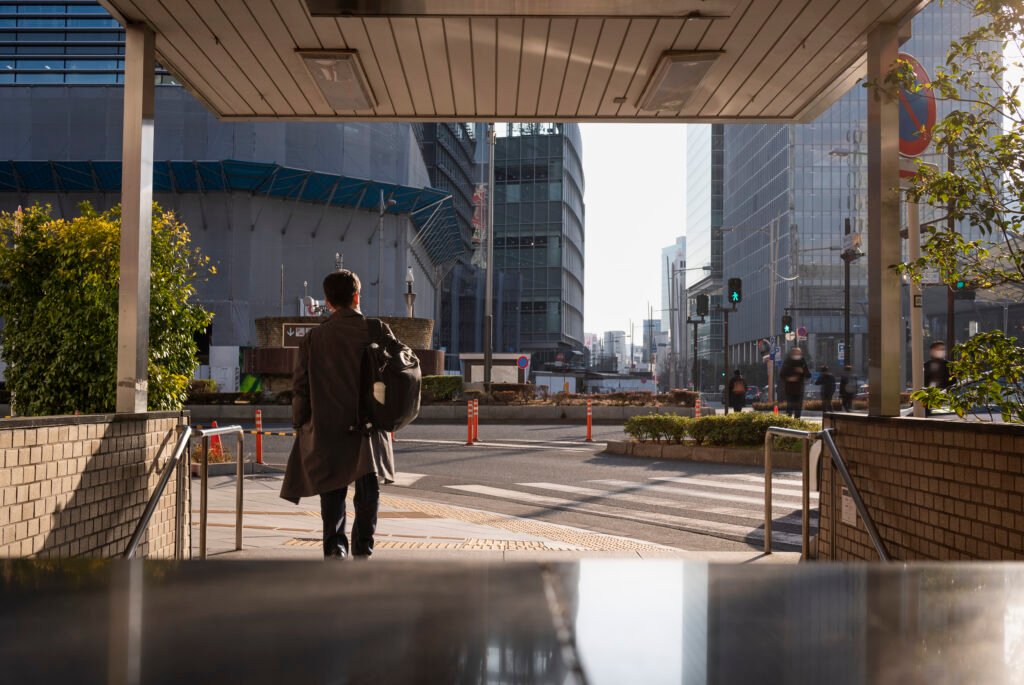
Imagine your team is never late to the office. They don’t have to face any traffic stress or parking chaos. Won’t that be amazing? This is very much possible with good metro connectivity.
However, metro connected office space in sector 136 or the nearest area alone is not enough. If the shift timing for the staff is not planned well, employees will still have to face overcrowded trains and long waiting times. For late hours, they may even feel unsafe.
Now, the solution isn’t simply renting an office near a metro station. Smart companies even design shift patterns around metro timings and last-mile convenience. This guide will help you plan shifts so that your employees don’t have to face a hard time to reach the office every day.
Why Does Metro Connectivity Influence Shift Planning?
Logically, when your office is located close to metro stations, commute patterns become predictable. For example, people coming to an office near ATS Noida metro link know the timings and frequency of trains.
Metro trains have a frequency cycle to follow:
- Peak hour: Every 3–5 mins
- Non-peak hour: Even 7–12 mins
- Late evening: Frequency is further reduced
Now, this means that shift timing has a direct effect on:
- Punctuality of employees
- Productivity levels
- Work-life balance
- Employee turnover rate
If there is office near botanical garden station or office near sector 137 metro station and other such workspaces really benefit from high connectivity. But they should also smartly manage the pressure of the peak crowd.
How Do You Align Office Shifts with Metro Timings?
It’s a common mistake to plan shifts without giving attention to metro schedules. Here is the right way to approach it:
Step 1: Know the Timings of First & Last Train
What is the arrival time of the first train and the last train? What is the train frequency after 9 PM?
Step 2: Map Employee Residential Clusters
Identify where most of your employees come from, check interchange stations and get an idea of average travel time.
Step 3: Avoid Punch-In During Peak Hour
Don’t insist on “sharp at 9:00 AM”. You can try 8:30 AM or 9:30 AM entries or even introduce a flexible arrival window (30–45 mins)
Let’s say you operate from a metro connected office space in sector 136. Alternate shifts can actually reduce crowd-related delays.
Should You Implement Different Shifts in Metro-Connected Locations?
It does work in most cases. Here’s why staggered shifts are a good idea:
- Employees don’t have to struggle with extreme metro rush hours
- Daily commute stress is reduced
- Focus and productivity get improved
- Late arrivals are minimized
This is a sample plan:
- Team A shift can be 8:00 AM – 4:30 PM
- Team B shift can be 9:30 AM – 6:00 PM
- Team C shift can be 11:00 AM – 7:30 PM
It’s a very practical solution for offices near sector 137 metro station.
How Can You Effectively Compare Shift Models?
Companies that work from an office near ATS Noida metro link can benefit a lot from staggered or flexible shifts.
The table below can be used by corporates in making decisions:
| Shift Model | Pros | Cons | Best For |
| Fixed 9 to 6 | Simple to schedule | Travel in peak crowd | Small teams |
| Staggered Shifts | Crowding can be reduced | Needs coordination | Medium–large firms |
| Split Shifts | Better metro alignment | Complex administration | BPO/IT businesses |
| Rotational Shifts | 24×7 working | Risk of fatigue | Support centers |
| Flexible Hours | High satisfaction | Tracking is needed | Creative teams |
Does Location Around Sector 136 Influence Shift Strategy?
Sector 136 and nearby business zones are very well connected by metro. But the surrounding infrastructure also matters a lot.
For eg: Housing density near Paras Seasons affects the level of morning crowd. Similarly, traffic on the Expressway impacts last-mile cabs.
You may also explore How proximity to Paras Seasons influences staff commute windows and shifts for a better understanding.
If you pick a metro connected office space in sector 136, evaluate these points:
- Total walking distance from metro station
- Feasibility of shuttle
- If pedestrian routes are safe
Proximity to the metro reduces dependency on the road; you still need proper planning for the last-mile connection.
How Infrastructure Stability Helps in Shift Planning?
Failure if the infrastructure has a direct relation to shift planning. Imagine if there is a power outage during the night shift or there are lift delays at peak punch-in time. If you look at the bigger picture, every problem has a long-term effect.
That’s why businesses must select a dependable work location or Choose Office Spaces near sector 143 with Reliable Backup.
A solid infrastructure in place will support employees in sticking to their varied work schedules without any difficulty.
Additionally, timing alone won’t solve anything; the coordination from HR and admin people plays a big role here.
HR personnel should ask about the commute duration of employees, know about metro delays and adjust shifts. On the other hand, admin heads should arrange for cab tie-ups, ensure parking areas are well-lit and maintain shuttle records
When located near major intersections like offices near botanical garden station, the success of the shift depends on real-time crowd patterns.
Can Smart Office Layouts Support Shift Efficiency?
Yes, they do. Layout has the influence on:
- Entry and exit congestion
- Wait time of the lifts
- Crowd management in cafeteria
Layouts that are ready to support expansion plans cut down operational friction especially during rotational shifts. If your team grows and shifts start to overlap, you can also consider Expansion-Ready Offices Near ATS Nirman.
It’s also good to make sure there are:
- Different access gates
- Separate entry points for visitors and employees
- Smart access control systems
These features matter greatly in a metro connected office space in sector 136 environment.
Conclusion
A metro connected office space in sector 136 is a strategic decision that adds a lot of convenience. Employees don’t have to stress about the commute and stay punctual. Also, there are minimal parking issues and higher retention rates. However, for the shift plan to work as expected, it should be supported by data, feedback and metro frequency. Only then can you achieve efficient connectivity.
FAQs
- How does metro timing and frequency influence morning/evening shifts?
Trains keep coming more frequently in the peak hours but they are often crowded. In non-peak hours, there is more comfort but a bit longer wait times. For smoother travel, shift timing should not be in extreme rush windows. - What are the last-mile strategies that work for early/late shifts?
Companies can arrange for shuttle vans, have verified cab partnerships and plan safe walking routes with proper lighting. These are some very effective solutions. - Can staggered shifts reduce peak-hour commute time for staff?
Yes. When both entry and exit times are distributed, employees can travel across different metro frequency cycles. This reduces the stress of congestion. - What if metro frequency drops during night shifts?
Considering this, companies should keep their closing shifts before the last train. Further, they can also arrange backup transportation options so their night-shift staff feels safe. - How can companies ensure employee safety for late-night commutes?
They can do this by providing safe cab services, GPS tracking and emergency helplines. There should also be proper lighting and security around the office campus. - Should employers subsidize last-mile transport? Well, it can be a strategic investment, especially in high-density metro areas. Subsidies or services can improve employee retention rate, boost their confidence in the company
- What are best practices for staggered entry/exit to avoid mass transit crowding?
Flexible 30–60 minute entry windows are best to start with. Also, you can split time for different departments and use digital attendance systems to effectively manage scheduling.