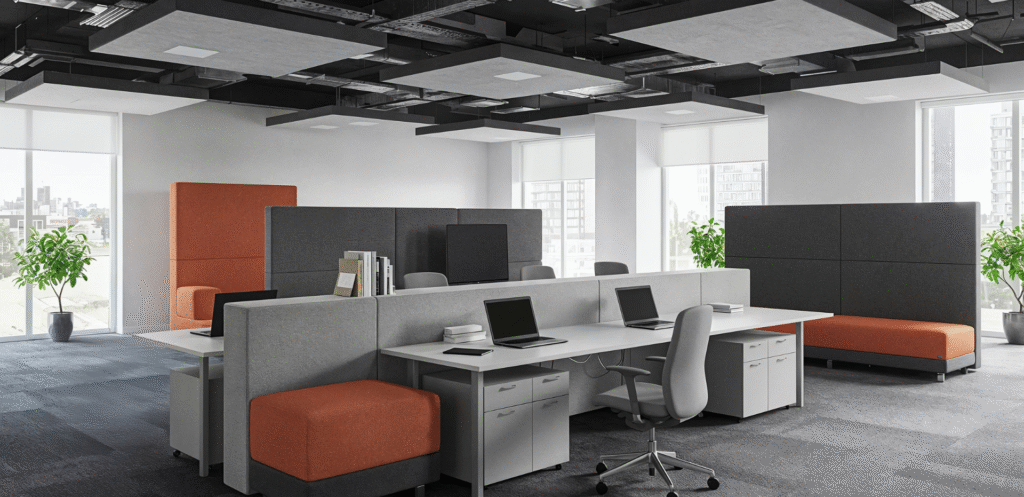

Startups today don’t just need office space—they need flexibility, cost control, and the ability to scale quickly. Traditional office setups often come with long-term leases, high upfront costs, and operational hassles that can slow down growth.
This is where flexible office spaces in Noida are changing the game. From coworking spaces to managed offices, businesses can now work from fully equipped environments without heavy investments.
In this guide, we explore how flexible office spaces help startups save costs, improve productivity, and grow faster.
Why Noida is Emerging as a Preferred Startup Destination
Noida has become one of the fastest-growing commercial hubs in the NCR region. With excellent connectivity through the Noida Expressway, metro network, and major highways, it offers businesses easy access to talent, clients, and business opportunities.
Key advantages include:
- Modern commercial infrastructure
- Access to skilled professionals from NCR
- Competitive rental costs compared to other business districts
- Growing startup and technology ecosystem
- Multiple flexible office and managed workspace options
These factors make Noida an attractive destination for startups looking to establish and scale their operations efficiently.
Flexible Office Space vs Traditional Office Space
For startups and growing businesses, choosing the right workspace can have a significant impact on operational costs, employee experience, and future growth. While traditional offices offer complete control over the workspace, they often require substantial investments and long-term commitments.
| Factor | Flexible Office Space | Traditional Office Space |
|---|---|---|
| Lease Terms | Flexible monthly or short-term agreements | Multi-year lease commitments |
| Initial Investment | Minimal setup costs | High deposits, furniture, and fit-out expenses |
| Infrastructure | Ready-to-use workspace | Requires setup and maintenance |
| Utilities & Maintenance | Usually included | Managed separately by the tenant |
| Scalability | Easy to expand or downsize | Expansion often requires relocation |
| Move-In Time | Immediate or within days | Several weeks or months |
| Facility Management | Included | Additional operational responsibility |
| Networking Opportunities | Access to a professional business community | Limited networking opportunities |
| Cost Predictability | Single monthly payment | Multiple recurring expenses |
How Much Can Startups Save with Flexible Office Spaces?
One of the biggest reasons startups choose flexible office spaces is the potential for significant cost savings. Traditional office setups often require substantial upfront investments, including security deposits, furniture, internet infrastructure, utility connections, maintenance contracts, and administrative staffing.
Typical Cost Comparison
| Expense Category | Traditional Office | Flexible Office Space |
|---|---|---|
| Security Deposit | High upfront cost | Minimal or no deposit |
| Office Furniture | Additional investment | Included |
| Internet Setup | Separate expense | Included |
| Housekeeping | Additional cost | Included |
| Reception Services | Additional hiring cost | Included |
| Utilities & Maintenance | Paid separately | Included |
| Meeting Rooms | Setup and maintenance required | Available on demand |
| IT Support | Additional expense | Often included |
Why Startups Prefer Flexible Office Spaces in Noida
Flexible office spaces in Noida allow businesses to operate from prime locations without committing to high rentals or long-term leases—making it easier to scale without risk.
1. Access All Professional Services Under The Same Roof
Flexible office spaces provide startups with access to enterprise-grade infrastructure and support services that would otherwise require significant investment.
Common amenities are:
- Reception
- IT support
- High speed internet
- Unlimited tea/coffee
- Parking
- Printing services
- Housekeeping
- Community events
You get to work in a professional office space where
- Interiors are attractive
- Infrastructure is impressive
- Give your business a professional image
Irrespective of the size of the business, every client enjoys the same level of services. You save so much of your money, time and efforts that you end up using them on the more important side.
2. Boost Productivity and Achieve Better Results
A well-designed workspace can have a direct impact on productivity and collaboration. Flexible office spaces offer dedicated work areas, meeting rooms, breakout zones, and ergonomic infrastructure that support focused work.
- Fewer distractions compared to working from home
- Better collaboration among team members
- Access to meeting and presentation facilities
- Improved employee engagement and accountability
3. Builds Connections and Networking Opportunities
A flexible office is much more than an place for rent. It’s a place where people do business networking and form professional connections by bringing together businesses from diverse industries.
- Connect with people with shared interests.
- Coworkers who share the same expertise, knowledge, tends to bond more and better.
- It also brings the chances of sharing work opportunities.
There are instances that a freelancer might grab a project from the startup, two ventures come together for something big, an employee of one venture might get hired by the other and similar opportunities that bring various occasions where there are prospects for everyone to grow.
4. Happier Teams and Better Morale
Workplace experience plays an important role in employee satisfaction and retention. Flexible office spaces are designed with modern interiors, collaborative zones, breakout areas, and professional amenities that create a more engaging work environment.
- With regular events, sessions and fun activities happening, workers enjoy being there.
- Once a person loves their workplace, they are naturally more efficient.
- A modern office is any day more attractive and better than a dull conventional workspace
Flexible offices are a game-changer for freelancers and growing firms. You pick the most suitable membership plan and the team works happily ever after!
5. Reduced Commute Time and Better Work-Life Balance
- Reduce long and stressful commutes by allowing employees to work closer to home.
- Instead of spending hours in traffic, teams can choose locations within city clusters, improving productivity and reducing burnout.
- Startups can decentralize teams across multiple micro-locations instead of relying on a single office
6. Supports Hybrid Work and Virtual Office Models
Flexible workspaces support hybrid work models where employees can split time between remote and office work.
Startups can also opt for virtual office solutions that provide:
-
- GST-compliant business address
- Mail handling
- Professional presence without physical space
This reduces operational costs while maintaining credibility.
7. Easy Scalability Without Relocation
- Startups can scale teams quickly without shifting offices.
- Add desks, upgrade cabins, or expand across locations instantly.
- No penalties, no downtime, and no infrastructure headaches.
8. Eco friendly and Sustainable Workspaces
- Flexible offices reduce long commutes, lowering carbon emissions.
- Shared infrastructure reduces energy consumption compared to multiple independent offices.
9. Fast Setup and Instant Onboarding
- Flexible workspaces are ready-to-move-in.
- Begin operations immediately with zero setup delays.
Conclusion
Flexible office spaces are a professional working space for startups that need flexibility, cost efficiency, and room to grow. Today, flexible office spaces are helping out businesses by creating employment opportunities and contributing in the growth of the economy.
These office spaces come with a list of membership plans from which they can choose the most suitable ones for themselves, pay the membership fee, move in and get started without having to worry for anything else.
If you are looking to give your business idea the execution it deserves, then search for the nearest flexible office space around you, take a tour, choose the one that aligns with your company’s goals.
Frequently Asked Questions about Flexible Office Spaces for Startups
1. Can startups scale easily in a flexible office space?
Yes, scalability is one of the biggest advantages. You can:
- Add more seats as your team grows
- Upgrade from shared desks to private cabins
- Expand to other locations (if the provider has multiple centers)
This flexibility makes flexible office space ideal for growing startups.
2. What are the disadvantages of flexible office spaces?
Some common challenges include:
- Limited customization compared to a fully leased traditional office
- Availability constraints during peak demand periods
- Higher long-term costs for very large teams compared to owned or leased offices
- Shared amenities such as meeting rooms and common areas in certain workspace formats
- Dependence on the workspace provider for facility management and operational support
However, these can be managed by choosing the right workspace plan.
3. How do I choose the best flexible office for my startup?
Look for:
- Location and accessbility
- Internet reliability
- Availability of meeting rooms
- Pricing transparency
- Community and networking opportunities
- Reviews and reputation
- Security, parking, and support services
Always visit the space before finalizing.
4. Which facility management services are best for startups with limited budgets?
The most useful facility management services for startups include:
- Housekeeping and Maintenance
- High-Speed Internet and IT Support
- Reception and Front Desk Services
- Utility Management Services
- Security and Access Control
- Meeting Rooms and Shared Facilities
- Pantry and Refreshments
5. How do flexible office spaces help reduce commute time?
Flexible workspaces are available in multiple locations. allowing employees to work closer to home.
- Reduces daily commute
- Lower commuting expenses
- Improve work-life balance
- Reduce employee stress and fatigue
- Increase overall productivity
6. Can startups use flexible office spaces as virtual offices?
Yes, many providers offer virtual office services including:
- GST registration
- Verified business address
- Mail and courier handling
- Call answering services
7. Are flexible office spaces suitable for large companies?
Yes, flexible office spaces are increasingly being used by enterprises, multinational companies, and large organizations.
Commonly used for
- Satellite offices
- Regional expansion
- Project-based teams
- Hybrid workforce management
- Temporary office requirements
8. What is the difference between a flexible office space and a managed office?
A flexible office space includes coworking spaces, managed offices, private cabins, and serviced offices available on flexible contracts.
A managed office is a dedicated workspace customized for a single company while the workspace provider handles operations such as maintenance, housekeeping and facility operations.